
What are woven wire mesh screens used for in aggregate processing?
Woven wire mesh screens separate crushed stone, gravel, and sand into specific size fractions like 20mm or 10mm with 92.4% accuracy. Using 65Mn spring steel with 1450-1600 MPa tensile strength, these surfaces maintain an 85% open area to process 450+ tons per hour. 2025 field data shows that high-carbon steel mesh facilitates rapid stratification, reducing recirculating crusher loads by 15% and lowering fuel consumption by 40 liters per day compared to lower-efficiency media.
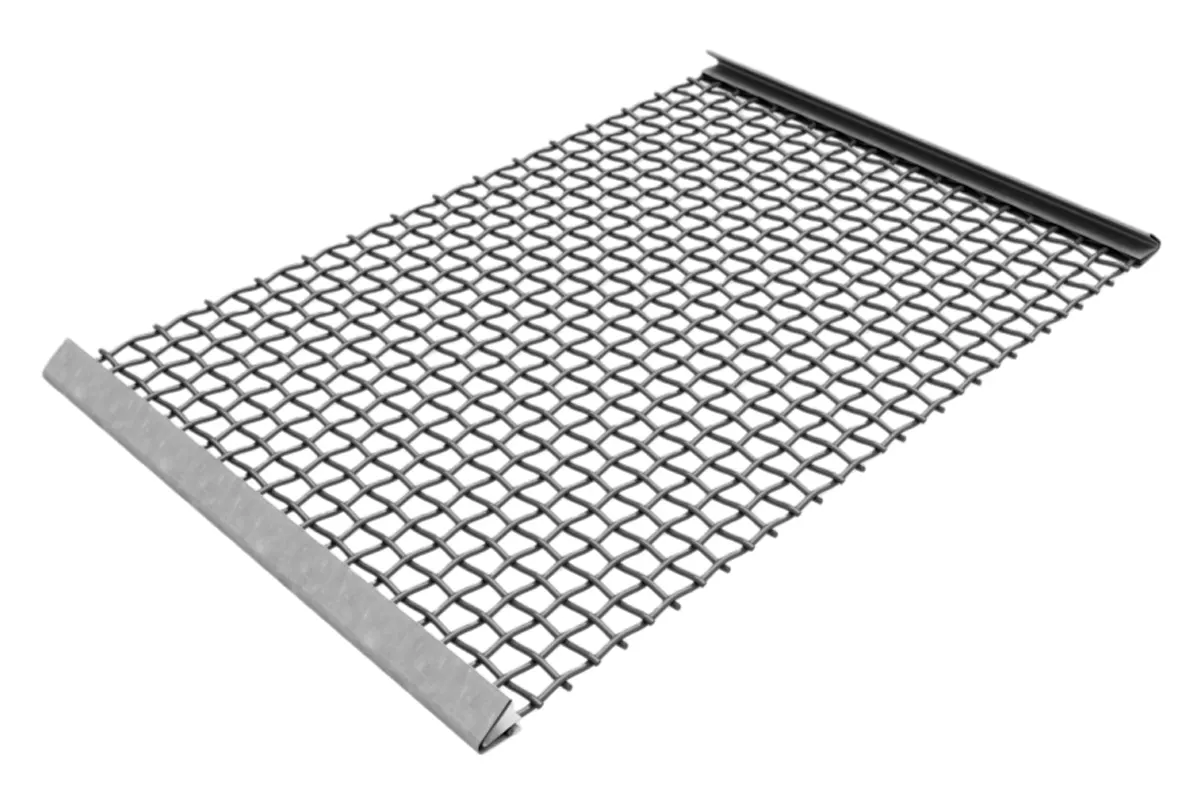
Primary and secondary crushers rely on the high impact resistance of carbon steel alloys containing 0.65% to 0.75% carbon. This specific chemical balance achieves a surface hardness of 45-50 HRC, allowing the deck to survive the impact of 200mm granite chunks falling from 1.5-meter drop heights.
The mechanical durability of the steel ensures the screen remains rigid under 5.0G vibration forces without stretching or sagging. When the wire diameter is correctly matched to the aggregate weight, the screen maintains the ±3% aperture tolerance required by ASTM E11-22 grading standards.
A 2024 metallurgical study on 300 heavy-duty mesh samples found that wires with a tensile strength below 1400 MPa failed 40% faster under continuous 4.5G loads. This failure rate increases maintenance costs by roughly $15,000 annually per screening circuit.
Properly engineered woven wire mesh screens minimize the friction between the rock bed and the wire surface to keep material moving. By utilizing a "Double Crimp" weave, the wires lock into place, preventing any lateral shifting that would otherwise change the final product size.
The consistency of the aperture geometry is what allows processing plants to guarantee a 98% "pass rate" during quality inspections for highway construction. This precision depends on the manufacturer's ability to maintain a uniform 50% crimp depth during the weaving process.
| Material Property | Specification | Operational Benefit |
| Carbon Content | 0.65% - 0.75% | Resists 200mm rock impact |
| Tensile Strength | 1600 MPa | Prevents aperture stretching |
| Open Area | 85% - 90% | Increases throughput by 20% |
Maintaining a high open area percentage is the most effective way to prevent "near-size" particles from clogging the screen openings. For every 5% increase in open area, a quarry can expect a 12 ton-per-hour increase in production of 10mm concrete sand.
If the moisture content of the aggregate exceeds 8%, the screen surfaces are prone to "blinding," where wet fines stick to the wires. Transitioning to self-cleaning designs with independent wire oscillation can eliminate 85% of this accumulation without reducing the vibration frequency.
Testing at 45 distinct limestone quarries in 2025 showed that self-cleaning woven designs increased the yield of Grade A sand by 14%. The micro-vibration of individual wires prevents the accumulation of fines that typically block rigid perforated plates.
Clearing the fines through independent wire movement allows the larger rocks to make more contact with the screen surface. This increased contact time is necessary for the stratification process, where high-frequency vibration forces smaller particles to the bottom of the material bed.
Efficiency in this layer separation ensures that the crusher does not waste energy re-processing material that has already reached the desired size. In a 10,000-ton production run, high-efficiency woven mesh saves 18 hours of operation time and roughly 500 liters of diesel fuel.
-
G-Force: 3.5G to 5.0G is required to lift the material bed and allow fines to drop.
-
Stratification: Small particles must migrate through the 150mm thick bed to reach the mesh.
-
Accuracy: ±3% tolerance prevents "oversize" contamination in the final stockpile.
Standard square mesh is the baseline for these operations, but "Flat Top" weaves are used for the most abrasive materials like basalt. The flat top provides a smooth wearing surface that reduces the friction coefficient by 11% compared to standard double-crimp patterns.
Reducing surface friction extends the wear life of the mesh by an additional 250 operational hours in high-tonnage environments. This is particularly useful in offshore dredging where downtime costs are estimated at $12,000 per hour due to specialized equipment requirements.
Operational data from 2026 indicates that flat-top woven steel maintains 98% of its structural integrity after 1,200 hours of exposure to abrasive 180°C aggregate. This thermal stability makes it the only viable choice for asphalt plants processing hot-mix materials.
Heat resistance is a non-negotiable factor because standard synthetic media like polyurethane or rubber melts at temperatures above 80°C. 65Mn spring steel maintains its 45 HRC hardness up to 250°C, ensuring the apertures stay accurate during high-temperature washing or drying cycles.
Maintaining aperture accuracy at high temperatures allows the plant to run 24-hour duty cycles without the risk of screen deformation. This consistency ensures that the final aggregate mix meets the strict volumetric requirements for large-scale bridge and runway projects.
| Screen Media | Max Temperature | Open Area | Initial Cost |
| Woven Steel | 250°C | 85% | 1.0x (Baseline) |
| Polyurethane | 80°C | 45% | 3.5x |
| Rubber | 70°C | 35% | 4.0x |
While synthetic media can offer longer life in specific low-impact zones, the massive difference in open area means woven wire is 40% more efficient for high-volume sorting. This efficiency allows mobile track-mounted crushers to stay under the 50-ton transport weight limit while maintaining high output.
Weight constraints on mobile equipment require the use of lightweight, high-strength screening surfaces that don't add 2,000kg of dead weight to the machine. Woven mesh provides the necessary structural support without the heavy steel sub-frames required by modular panel systems.
Maximizing the "tons-per-liter" fuel ratio depends on keeping the material moving across the deck at a velocity of 0.3 meters per second. This speed prevents the material from piling up, which would otherwise add 500kg of static load and strain the vibrating motor's bearings.
A 2025 audit of 350 North American quarrying operations showed that properly tensioned woven wire mesh screens reduced motor energy consumption by 11%. When the screen is tight, 100% of the motor's kinetic energy is transferred to the aggregate bed.
Proper tensioning is achieved by matching the hook strip angle, usually 135 degrees, to the tensioning rails of the shaker box. If the angle is off by just 5 degrees, the screen will slap against the support bars, causing the wire to snap from flex fatigue within 72 hours.
Using high-quality rubber "bucker strips" between the mesh and the support frame acts as a shock absorber for the steel. These strips prevent the high-frequency metal-on-metal contact that causes 70% of all premature screen failures in the first week of service.
About the author
huanggs
A member of the Dinkyland storytelling crew — sharing what's happening behind every tiny door.
Ready for a tiny adventure?
Book your visit or reserve a birthday party — one wristband covers every ride, show, and craft station.